April 15, 2023
Henricus Rol: Illustrator for the Verkade albums and all-rounder. Part 3
Henricus painted for the Verkade albums with great precision, and had fond memories of the discussions with Arnold Verkade. During the mobilisation he enlisted voluntarily and worked on camouflage at Loevestein Castle.
At Artis, Henricus also made preliminary studies of birds. In his studio he worked them up into watercolours. For a small watercolour he initially received 15 guilders; later this became 20 and 25 guilders.
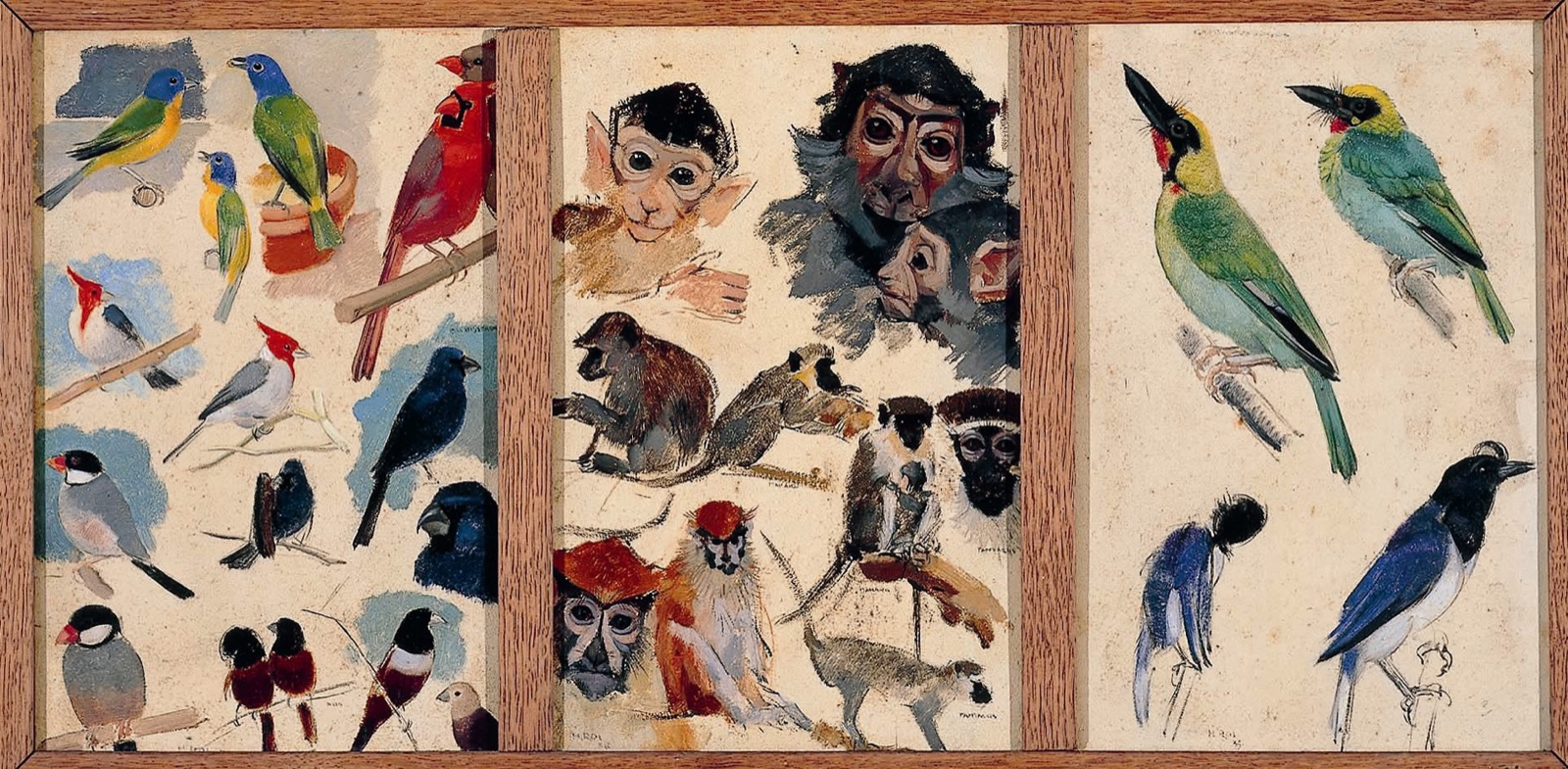
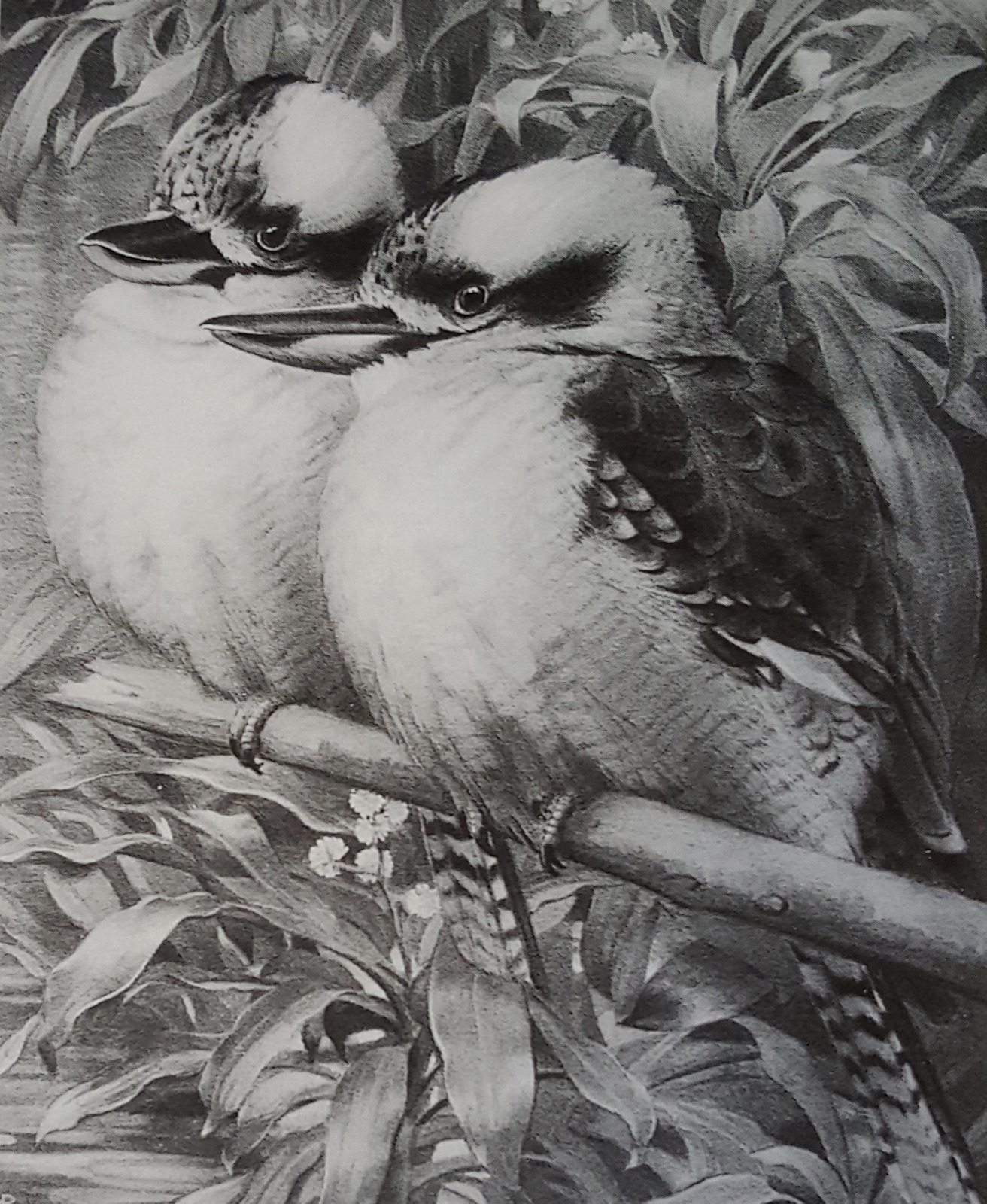
It did not happen often, but the writers occasionally rejected an image. One example is a beautiful little painting of two Koko Burras. Henricus had painted the birds with their feathers fluffed up against the cold. That was apparently not what the writers had in mind; according to them these were not Koko Burras, and so it had to be redone.
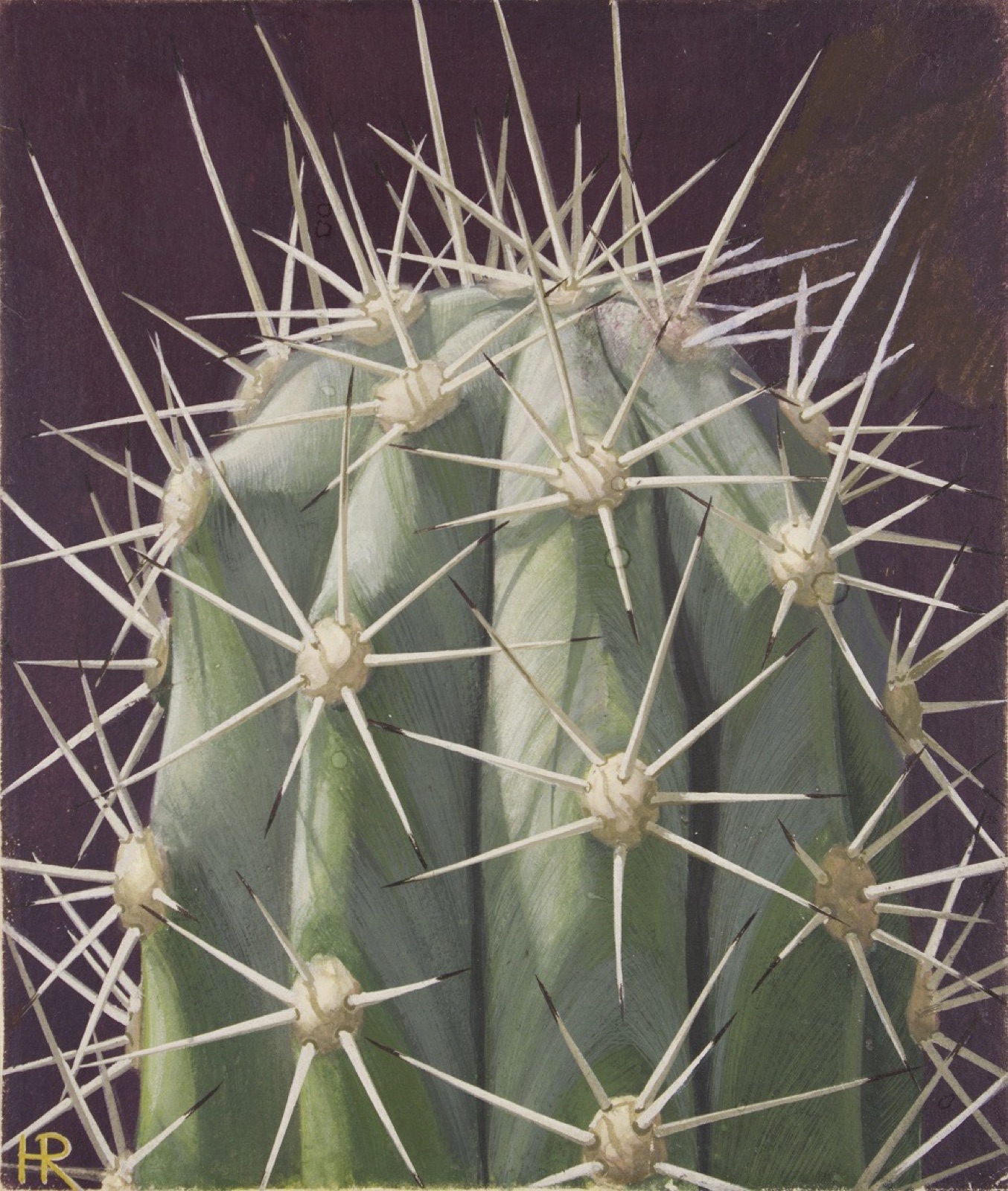
Henricus had fond memories of the cactus album. He would sit painting in complete solitude in a corner of his studio, a large lamp aimed at the cactus as if it stood in the desert, and he worked very precisely. He liked to tell that he had painted 1,200 spines on the cactus. Each picture was a small painting.
There was plenty of contact between the artists and Verkade. The artists discussed and criticised each other’s work and answered to the Arnold Verkade of the day. Henricus kept fond memories of those discussions with Arnold Verkade. Around 1946 Henricus painted miniatures of him and of Mrs Verkade-Honig. Owing to the outbreak of the Second World War, Verkade stopped publishing the albums in 1940. The album Vogelzang was not yet finished at that time and was eventually published only in 1965.
Henricus had been declared unfit for military service because of his asthma, yet he enlisted voluntarily. During the mobilisation he worked in the camouflage studio at Loevestein Castle. There he developed new camouflage techniques. By studying all the colours, he determined which colours were the most and the least visible. Casemates were camouflaged with heather woven into wire mesh, onto which patches were sprayed with a spray gun. The result was so good that a high-ranking officer who came to visit fell into a camouflaged hole.
During his service, Henricus was given leave by his captain to finish the illustrations for “Vogels in Artis”. That same captain said: “If you can paint such good pictures of monkeys, you can surely paint miniatures too. Can you paint me as well?” That went well, and it became the start of a whole series of miniatures, including one of Princess Beatrix.
This article first appeared on the website of the Zaans Museum and is reproduced here by permission.